

The 6 Best Wind‑Resistant Patio Umbrellas for Gusty Yards and Breezy Decks
If you’ve watched a patio umbrella cartwheel across the yard like a runaway tumbleweed, you know: wind is no joke. The right umbrella can turn your outdoor space into a reliably shaded retreat; the wrong one becomes a sail. This guide zeroes in on cantilever patio umbrellas, heavy‑duty market umbrellas, and offset models with bases that stand up better to breezes—so you stop replacing umbrellas every spring.
Why wind resistance matters (and what actually helps)
Wind loads climb fast with canopy size, and once a gust gets under the fabric, lift forces spike. A wind‑resistant outdoor umbrella manages those forces in a few ways: a vented canopy that bleeds pressure, a rigid mast and rib structure that won’t twist, and a base heavy enough to counter torque. Location also matters. Rooftop terraces, lakefront decks, and canyon-like side yards accelerate wind; choose accordingly.
A vented canopy (especially “double-top” vents on many offset models) helps air escape without ballooning. It won’t make an umbrella storm‑proof—no shade is—but it dramatically reduces “parachute” moments in typical, gusty afternoon breezes.
Cantilever vs. market: which style is steadier in wind?
- Market umbrellas (center pole) route loads straight down the mast, especially when used through a patio table. That’s a stability advantage in steady breezes. The tradeoff: the center pole can block sightlines and seating, and very large canopies act like sails if not weighted properly.
- Cantilever or offset patio umbrellas hang the canopy from the side. They feel magical—shade right where you need it, without a pole in the way—and many offer tilt and 360° rotation to track the sun. The lever arm means the base must be significantly heavier; the best models pair thick aluminum masts, stout rib arms, and vented canopies to manage torque.
If your space is exposed and your seating is clustered, a cantilever with a truly heavy base (or pavers added) is the way to go. If your table has a center hole and sees variable breezes, a heavy duty market umbrella routed through the table plus a serious base is often the most stable arrangement.
Sizing and weighting: the part most people get wrong
Match canopy size to your furniture first, then to your site’s wind profile, and finally to the ballast you’re willing to deploy.
- Canopy sizing quick guide:
- 8 ft round/square: bistro sets, 2–4 seats or chaise lounges
- 9–10 ft round/square: 4–6 seats or a 5–6 piece chat set
- 9×12 ft rectangle: 6–8 seats at a rectangular table, sectional corners
- 15 ft double‑sided market style: long banquet tables, extended benches
- Base weight guidelines (typical, not manufacturer‑specific):
- 8 ft cantilever: 110–150 lb minimum
- 10 ft cantilever: 150–220 lb minimum
- 9×12 ft cantilever: 220–300 lb minimum
- 7–9 ft market (through a table): 40–60 lb base
- 10–11 ft market (through a table): 65–100 lb base
Offset umbrellas often ship with a cross base; you’ll typically add four paver stones or fill a base shell with sand/water to reach safe ballast. If wind regularly topples your umbrellas, err high on weight and always close the canopy when you’re not nearby.
How we chose these umbrellas
We curated models that help homeowners who’ve “been there” with wind-related failures. To earn a spot, each umbrella checked several of these boxes:
- Vented canopy design or wind‑resistant engineering in the brand line
- Rigid mast and ribs (preferably aluminum for strength and corrosion resistance)
- Reliable tilt/rotation controls that hold position
- Sensible footprint and base strategy for real patios and decks
- Size and shape options that match common furniture layouts
- Clear path to proper ballast (base included or easy to weight with pavers)
- Strong brand track record for outdoor hardware
Below, find the best options for different patios—from compact balconies to big dining terraces—and what to know before you click “add to cart.”
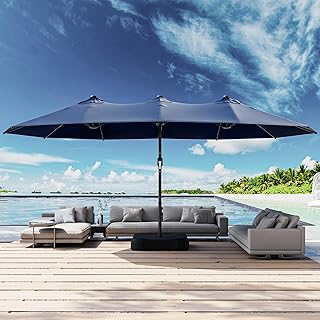
1. Joyside 15FT Double-Sided Rectangle Patio Umbrella with Crank Handle and Base — best for long tables in calmer yards
Price and availability are accurate as of 12/20/2025 01:19 pm GMT and are subject to change.
A 15‑foot double‑sided market umbrella is a shade machine, ideal for backyard parties or an extra‑long dining setup. The center‑pole architecture routes loads straight down the mast, and when you run it through a patio table, you gain extra resistance to sway. If your yard isn’t a wind tunnel, this style provides wall‑to‑wall coverage that’s hard to match.
That surface area is the asterisk. Bigger canopies catch more wind, so plan for serious ballast beyond any included stand. If your deck sees afternoon gusts, close the canopy between uses and consider wind screens or placing near a fence line. For families who need sheer coverage over a long table—and aren’t on a bluff—this heavy duty market umbrella is a practical, budget‑friendly way to shade a crowd.
2. Hotime 10ft Cantilever Offset Patio Umbrella — 360° Rotating Windproof Aluminum (Beige) — nimble shade that tracks the sun

Price and availability are accurate as of 12/20/2025 01:20 pm GMT and are subject to change.
For smaller patios and 4–6 seat dining sets, a 10‑foot offset canopy is the sweet spot. The Hotime’s 360° rotating head lets you pivot shade between conversation and dining zones without dragging chairs, and the aluminum structure is a smart choice in coastal or humid climates where steel can rust.
As with most cantilever patio umbrellas, plan on adding substantial weight to the base. Many owners pair the cross base with four pavers or a fillable base shell to reach 150–200 lb of ballast—crucial in breezy neighborhoods. Keep a habit of closing the canopy when you step inside, and you’ll get the convenience of offset shade with fewer wind‑related surprises.
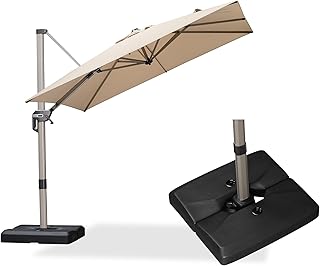
3. PURPLE LEAF 8ft Cantilever Patio Umbrella with 360° Rotation and Base, Champagne Beige — compact power for balconies and tight decks
Price and availability are accurate as of 12/20/2025 01:20 pm GMT and are subject to change.
When space is tight but wind still visits, smaller can be smarter. This 8‑foot offset umbrella is easier to ballast to “wind‑sensible” levels, and the rotating canopy helps you place shade precisely without moving furniture. It’s a strong pick for a balcony chaise pair or a 2–4 seat bistro.
The listing notes a base is included; confirm whether that’s a cross base or a fillable shell and plan to add pavers or sand if your site is breezy. The Champagne Beige fabric looks high‑end but may show city grime sooner—regular rinsing and a quick brush‑off keep it looking new. For compact patios where a 10‑footer would feel overbearing, this is a nimble solution.
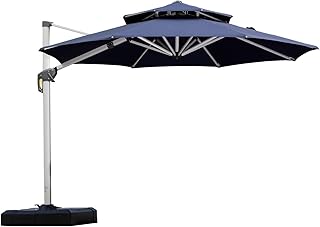
4. Purple Leaf 10ft Offset Cantilever Patio Umbrella — Windproof Sun Shade (Navy) — a proven everyday workhorse
Price and availability are accurate as of 12/20/2025 01:20 pm GMT and are subject to change.
Purple Leaf’s offset line has become a go‑to for homeowners who’ve graduated from “throwaway” umbrellas. The 10‑foot canopy is a Goldilocks size: big enough to cover a standard dining set or a sofa‑and‑chairs conversation area, but still reasonable to ballast to 150–220 lb. If you’ve lost cheaper umbrellas to gusts, stepping up to a sturdier mechanism and a vented canopy is the difference you notice on the first breezy afternoon.
Remember, offset umbrellas need room behind the pole to tilt and swing—leave about 3–4 feet clear so the canopy doesn’t hit a wall or railing when you rotate. Add pavers or a fill base to reach safe weight, and treat the Navy fabric with periodic cleaning to maintain deep color through the season.
5. PURPLE LEAF 9′ x 12′ Double-Top Offset Rectangular Patio Umbrella — Wood-Pattern, Beige — rectangular shade for rectangular dining

Price and availability are accurate as of 12/20/2025 01:20 pm GMT and are subject to change.
If you host dinners outdoors, a rectangular canopy simply shades better than a round one. This 9×12 ft offset umbrella throws consistent, table-shaped shade, minimizing end seats roasting in partial sun. The double‑top venting—common in premium offset designs—helps bleed off pressure so the canopy doesn’t balloon in a breeze.
That big rectangle also multiplies torque on the base, so plan for serious weight. Many owners slot four concrete pavers into the cross base or use a large fillable base to reach 220–300 lb, especially in open yards. The wood‑pattern mast is a nice styling touch with teak, acacia, or faux‑wood dining sets, giving the whole setup a coordinated feel.
6. PURPLE LEAF 10ft Cantilever Square Patio Umbrella with 360° Rotation and Base — Grey — modern lines, flexible coverage

Price and availability are accurate as of 12/20/2025 01:20 pm GMT and are subject to change.
Square canopies suit modern spaces and sectional seating better than circles, wrapping coverage across corners without odd gaps. The 10‑foot size is versatile for most patios, and the 360° rotation means you can pivot shade from the conversation zone to the grill when it’s time to flip burgers.
While the listing notes a base, plan to add ballast until the setup feels planted in your yard’s typical wind. Check clearance: a 10‑foot square spans over 14 feet corner‑to‑corner diagonally, so give it room to rotate without clipping railings or planters. The Grey fabric is an easy neutral with today’s outdoor palettes and hides pollen better than bright whites.
FAQ
- How heavy should my base be for wind resistance?
Use canopy size and style as your guide. For cantilevers: about 110–150 lb for 8 ft, 150–220 lb for 10 ft, and 220–300 lb for 9×12 ft. For center‑pole market umbrellas through a patio table: 40–60 lb for 7–9 ft, 65–100 lb for 10–11 ft. If your site is exposed (rooftop, lakefront), add 20–30% more.
- Do wind vents really work?
Yes—vents let high‑pressure air escape so the canopy doesn’t balloon. A double‑top vent common on premium offset models improves stability in gusts and reduces lift. Vents don’t make an umbrella storm‑proof; always close canopies for strong winds or when unattended.
- Aluminum vs. steel: which is better for wind?
For outdoor use, aluminum is typically better. It’s lighter for the same stiffness, resists corrosion, and springs back from minor flex without permanent bending. Steel can be strong but is heavier (harder to move) and can corrode if coatings chip.
- Can I use a cantilever umbrella with a patio table?
You can shade a table with a cantilever, but the umbrella base sits off to the side rather than routing through the table hole. That frees legroom but increases torque on the base, so make sure your ballast meets or exceeds recommendations and leave clearance behind the mast for tilt and rotation.
- What’s the best way to prevent damage in storms?
Close and strap the canopy whenever winds are forecast or you’re not nearby. Rotate the canopy downwind before closing, and lock all levers. If possible, remove the canopy in severe weather, or store the umbrella indoors for the off‑season.
Your Shade, Your Rules: Matching the Right Umbrella to Your Patio
Wind wipes out more umbrellas than sun ever will. Choose a design that manages breeze, pair it with the right ballast, and you’ll stop chasing fabric across the lawn.
- For the longest dining tables in calmer backyards: Joyside’s 15‑foot double‑sided heavy duty market umbrella delivers sprawling shade; use it through a table and add a stout base.
- For flexible, everyday shade on a standard patio: The Hotime 10‑foot cantilever gives you offset comfort, aluminum rigidity, and 360° rotation—ideal for 4–6 seat setups.
- For small spaces and balconies: The PURPLE LEAF 8‑foot cantilever is easy to ballast and still offers full rotation to dial in shade.
- For a proven, do‑it‑all offset: The Purple Leaf 10‑foot wind‑resistant sun shade is a dependable workhorse for most decks.
- For rectangular dining, done right: The PURPLE LEAF 9×12 double‑top offset lines up perfectly with long tables while venting off gusts.
- For modern modular seating: The PURPLE LEAF 10‑foot square with 360° rotation and included base suits sectionals and clean-lined patios.
One last rule of thumb: size your canopy for coverage, then size your base for your wind. With a vented canopy, a rigid frame, and enough ballast, you’ll finally have a patio umbrella that stays put—and a patio you’ll use more, not less, when the breeze picks up.






Leave a Comment