

The cleanest tool in your kit is the one a client never has to think about. In nail care—where e-file bits, nippers, and scissors come into contact with skin and nails—hygiene isn’t optional. UV nail tool sanitizers and compact cabinets have become a practical way to add a fast, dry sanitation step between clients or at the end of the day. Choosing the right unit comes down to three things: whether it actually uses germicidal wavelengths, whether it fits your tools (including an electric nail file handpiece), and whether it keeps you and your clients safe.
Why this category matters
Keeping pathogens off implements protects clients and your reputation. E-file bits, carbide and diamond heads, nippers, and reusable pushers have crevices that can harbor debris and microorganisms. While liquid disinfection is a must in many jurisdictions, UV sanitizers provide a low-touch, dry method to reduce microbial load on already-clean tools. A visible, well-run sanitation routine also reassures clients and helps avoid cross-contamination during busy back-to-back appointments.
For mobile nail techs and home studios, small, USB-powered boxes offer an easy way to refresh clean items on the go. For salons, larger cabinets with reflective interiors help batch multiple sets, towels, and even your electric nail file handpiece (unplugged and dry) for consistent turnaround.
How UV sanitizers work (and what they don’t do)
Not all “UV” is created equal. Germicidal UV-C covers roughly 200–280 nm; many effective systems center around 254 nm or 265–280 nm LEDs. UVA (around 365 nm) used in gel lamps doesn’t sanitize, and blue/violet light (around 405 nm) can reduce some bacteria under certain conditions but isn’t a substitute for germicidal UV-C. Some cabinets pair UV with ozone to reach shadowed areas, but ozone must be used carefully in ventilated spaces.
Important distinctions:
- Cleaning removes debris. Disinfection (often via EPA-registered solutions) inactivates pathogens to a regulated standard. UV devices can sanitize and may assist with disinfection on smooth, clean surfaces, but they are not medical sterilizers and shouldn’t be used in place of mandated chemical disinfection where required.
- Pre-clean thoroughly. Brush off debris, wash with detergent or use an ultrasonic cleaner, rinse, and dry. UV works best on dry, visibly clean metal.
- Avoid shadowing. UV is line-of-sight; reflective interiors and spacing tools apart improves coverage. Consider using UVC dosimeter cards periodically to confirm exposure.
How to shop this category
Capacity and fit: Measure your longest tools. If you plan to sanitize an e-file handpiece or multiple client sets at once, look for 9–10L cabinets or units marketed as “large.” Mini USB boxes are better for bits, tweezers, and small items.
Wavelength transparency: Look for stated UV-C ranges (e.g., 254 nm or 265–280 nm) and avoid vague “blue light” claims if you need true germicidal action. When in doubt, treat blue/violet devices as supplemental, not primary.
Interior design and safety: Stainless or mirrored interiors help bounce light around. Door-activated shutoff and sealed housings protect eyes and skin. Ozone-capable devices should have clear instructions and post-cycle airing guidance.
Cycle control and workflow: Timers, batch capacity, and any drying features determine how easily the unit fits your service rhythm. If you handwash or ultrasonically clean tools first, a built-in dry cycle can speed turnover.
Build and maintenance: Consider lamp/LED lifespan and replacement availability. Smooth trays and removable racks simplify wipe-downs. Documentation, labels, and basic testing recommendations are a plus for compliance-minded pros.
Selection criteria we used
- Verified germicidal intent: preference for UV-C wavelengths; clarity around “blue light” where applicable
- Real-world fit: whether e-file bits, nippers, shears, and an e-file handpiece can fit
- Safety: door interlocks, sealed housings, sensible ozone usage notes
- Even coverage: cabinet design, interior reflectivity, and tray layout
- Usability: cycle presets, USB convenience for travel, drying options
- Build quality and maintenance: materials, tray design, lamp/LED longevity
- Appropriate use case: small/home vs. salon-grade capacity and throughput
1. SaniCabinet UV-C Sanitizer Box — large, fast cabinet for busy stations

Price and availability are accurate as of 12/18/2025 10:14 am GMT and are subject to change.
If you need a one-and-done cabinet that tackles multiple client sets between appointments, this “large, fast” box is built for throughput. Its roomy interior is the draw: it can accommodate bulky implements like shears and an unplugged e-file handpiece along with smaller items and even a phone. That makes it a strong fit for full-service stations where tools rotate constantly.
The UV-C approach gives you a dry, timed sanitation step after cleaning and drying. Place items with minimal overlap to reduce shadowing, and consider using reflective surfaces or trays to maximize coverage. The trade-off is footprint—plan space on a stable counter—and the usual maintenance considerations for UV systems. It’s not a replacement for mandatory chemical disinfection where required, but it’s excellent for fast surface sanitation and hygienic storage.
2. Portable USB UV Nail Tool Cleaner Box — pocketable refresher for bits and tweezers

Price and availability are accurate as of 12/18/2025 10:14 am GMT and are subject to change.
This mini box is the definition of practical: plug it into USB power at a client’s home, pop cleaned bits or tweezers inside, and run a short cycle while you reset your station. It’s especially useful for electric nail file bits that you’ve already washed and dried—keeping them organized and away from contamination.
Size is the limiting factor. Full-length nippers and shears won’t make the cut, and you shouldn’t expect it to replace a larger salon cabinet. Check the stated wavelength; some compact devices use LEDs that aren’t in the germicidal UV-C band. Treat this as a handy, portable sanitation step for small items rather than a comprehensive solution.
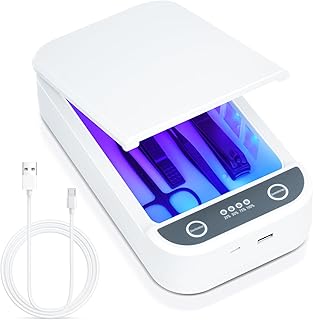
3. Portable USB Blue-Light Sterilizer — supplemental “freshen” box for smooth surfaces
Price and availability are accurate as of 12/18/2025 10:14 am GMT and are subject to change.
Labeled as blue light, this unit sits in the violet-blue range rather than UV-C. That makes it a gentle, low-heat option to reduce some surface bacteria on already-clean, smooth items, but it’s not a primary sanitation method for regulatory purposes. Think of it as a way to “freshen” cleaned tweezers or small tips during a mobile appointment.
If you plan to rely on light-based sanitation for your workflow, prioritize a UV-C device. Use this one as adjunct care between proper cleaning and disinfection—for instance, to keep a set of cleaned bits covered and illuminated while you prep your next service.
4. Portable UV + Ozone Sterilizer Cabinet — deeper reach for crevices (with ventilation)

Price and availability are accurate as of 12/18/2025 10:14 am GMT and are subject to change.
This compact cabinet adds ozone to UV exposure. The idea: ozone can penetrate small gaps that line-of-sight UV may miss, complementing your post-clean cycle on textured or threaded parts like e-file chucks and bit shanks. Batch a few client sets, set the timer, and allow tools to off-gas before opening the door.
Respect ozone safety. Run cycles in a ventilated area and wait before opening; follow the manufacturer’s instructions closely. Because ozone and longer cycles are involved, this is a better fit for back-bar processing between appointments than for quick, client-facing turnover. Stick to non-porous items; avoid rubber attachments or anything the manufacturer warns against.
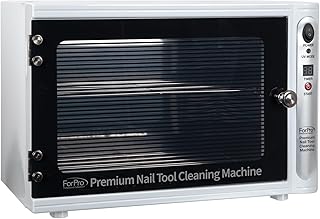
5. ForPro Professional Nail Tool Sanitizer — 9L cabinet for implements and small towel sets
Price and availability are accurate as of 12/18/2025 10:14 am GMT and are subject to change.
A 9L cabinet strikes a practical balance for salons that want visible hygiene and organized storage. Load cleaned metal implements and small towel sets, run a cycle, and keep items covered until service. The larger interior is helpful when you manage multiple client kits or want a neat, professional presence for front-of-house sanitation.
As with any cabinet in this class, check the stated wavelength and timer guidance, and use it to supplement, not replace, your required disinfectant steps. Launder towels first; the cabinet provides a dry sanitation step and hygienic holding—not a wash or sterilization cycle.
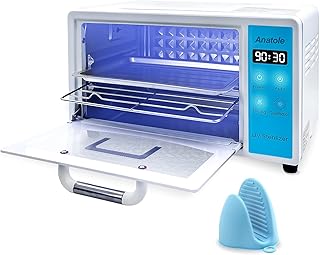
6. Anatole 10L UV Nail Tool Cleaner & Dryer (160W) — big capacity with post-wash drying
Price and availability are accurate as of 12/18/2025 10:14 am GMT and are subject to change.
If your workflow includes washing or ultrasonic cleaning first, a cabinet that dries and sanitizes can save minutes and keep metal pristine. The 10L capacity is generous for salons balancing several stations, and a stainless tray helps with wipe-downs and light bounce for more even coverage around tools.
Mind the materials you place inside. Some plastics or adhesive-backed items may not love heat from drying cycles. As always, space items to reduce shadowing—especially around e-file bits and nipper joints—and rely on chemical disinfection where local rules require it. For high-volume environments, this is a strong anchor cabinet that complements your existing hygiene steps.
FAQ
- Do UV nail tool sanitizers replace liquid disinfection?
No. In many jurisdictions you must clean, then disinfect with an EPA-registered solution to meet standards. UV devices can provide an additional sanitation step and hygienic storage, but they are not medical sterilizers and should not replace mandated disinfection.
- What wavelength should I look for?
Germicidal UV-C spans roughly 200–280 nm. Common effective implementations use 254 nm lamps or 265–280 nm LEDs. UVA (e.g., 365 nm) for gel curing isn’t germicidal, and blue/violet light around 405 nm offers limited antimicrobial effects and shouldn’t be relied upon as your primary sanitation method.
- Can I put my electric nail file handpiece in a UV cabinet?
You can sanitize the exterior if the cabinet is dry and the handpiece is unplugged, cleaned, and fully dry. Avoid ozone or heat if the manufacturer cautions against it, and never use UV on wet electronics. E-file bits should be removed, cleaned, and dried before UV.
- How long should a cycle run?
Follow the device’s instructions. UV-C boxes may specify 5–10 minute cycles; UV + ozone cabinets often run longer. Using UVC dosimeter cards periodically helps ensure sufficient exposure, especially when you load the cabinet with multiple items.
- Is ozone safe to use?
Ozone is a respiratory irritant. Only use ozone-capable cabinets in ventilated areas, avoid occupied rooms during cycles, and allow time for off-gassing before opening. If you prefer to avoid ozone altogether, choose a UV-only cabinet.
Clean Tools, Confident Work: Final Picks and Pairings
If you want professional batch capacity and fast, dry sanitation for a busy station, choose the SaniCabinet UV-C Sanitizer Box. It’s a strong, large-format anchor for daily workflows.
If you need drying plus UV after washing or ultrasonic cleaning, the Anatole 10L UV Nail Tool Cleaner & Dryer (160W) adds speed and a stainless tray for easy maintenance—ideal for multi-station salons and heavy e-file use.
Prefer a professional cabinet footprint that organizes implements and small towel sets? The ForPro Professional Nail Tool Sanitizer offers a 9L interior that looks the part front-of-house or in the back room.
For deeper reach into crevices—with appropriate safety and ventilation—the Portable UV + Ozone Sterilizer Cabinet is a smart back-bar option between clients, particularly for threaded or textured components.
Mobile techs and home studios should keep it simple: the Portable USB UV Nail Tool Cleaner Box is a handy, USB-powered solution for sanitizing cleaned e-file bits and tweezers. Use the Portable USB Blue-Light Sterilizer as a supplemental “freshen” step, not as your primary sanitation method.
Whichever route you choose, remember the hygiene hierarchy: clean, disinfect as regulations require, then use light-based sanitation to keep tools ready and reassure clients. Your e-file and implements will last longer, and your services will feel as professional as they look.
Leave a Comment