

The Best Noise-Reducing Headsets for Tinnitus Relief and Sound Sensitivity
If your ears ring after a noisy flight, a game day, or a long shift, you’re not imagining it—spikes happen. For many people with tinnitus or sound sensitivity, the “right” headphones aren’t about blasting white noise; they’re about lowering the external chaos so your brain stops chasing it. That’s where over-ear hearing-protection headsets (a.k.a. earmuffs) shine. They reduce harsh peaks, prevent flare‑ups, and make it easier to use gentle sound enrichment when you want it.
Below, we round up five excellent, certified passive models that deliver real-world relief for travel, events, work, study, and sensory-friendly days. You’ll see strong SNR/NRR ratings, comfort-first designs, and adjustable fits for kids and adults. Quick note: these are passive, not active noise-cancelling headphones. If you rely on ANC and audio playback for masking, consider pairing earmuffs with a separate low-volume sound source nearby—or choose a dedicated ANC over-ear model elsewhere. For loud environments and predictable triggers, the picks here are standouts.
Why this category matters for tinnitus
Tinnitus often gets louder in noisy places, not because your ears “like” noise, but because the auditory system cranks sensitivity to keep up. Sudden, prolonged, or high-intensity sounds—aircraft cabins, stadium horns, power tools—can push that system into overdrive, leading to ringing spikes and fatigue. Over-ear hearing protection reduces the incoming sound energy before it reaches the ear canal. That lower baseline makes it easier to relax and, if desired, add gentle sound enrichment from a nearby device (fan, sound machine, or a phone running pink noise) at a safe, comfortable level.
Passive earmuffs are also predictable: unlike active noise cancellation, which works best at low‑frequency rumbles, a well-sealed earmuff attenuates a broad range of frequencies, including the mid/high content that often feels “sharp” to sensitive listeners. And because there’s no battery, latency, or firmware to fuss with, they’re ready whenever a spike is brewing.
Common use cases: from travel to sensory-safe days
- Travel and commuting: Aircraft cabins and subways pile on steady noise. A sealed over-ear muff drops that noise floor so you don’t need to turn up a podcast or masking track to hear it. On planes, some people prefer low-level sound enrichment from a nearby phone or seatback—earmuffs help you keep that level very low.
- Concerts, stadiums, and fireworks: Short bursts and crowd roars are tinnitus kryptonite. A moderate-to-high SNR/NRR muff reduces the punishment while still letting you enjoy the event. For kids, bringing a comfortable, adjustable muff turns “too loud” into fun again.
- Work, school, and study: In open offices or classrooms, attenuation helps concentration. For sensory-sensitive students, earmuffs can soften clatter without fully isolating them from teachers’ voices when using lighter-attenuation models.
- Yardwork and DIY: Mowers, blowers, saws, and drills all stack up exposure. A higher-rated, comfortable earmuff is simple insurance for your hearing—and your tinnitus.
How to shop tinnitus-friendly “noise cancelling” headsets (without the hype)
- SNR vs NRR: Both are lab-derived reduction ratings (SNR is common in the EU; NRR in the US). As a rough rule, real-world attenuation is lower than the printed number; fit and seal matter tremendously.
- Fit and seal: Clamp force, pad material, and cup depth determine comfort—and attenuation. Glasses, hair, and piercings can compromise the seal; look for plush pads and adjustable headbands.
- Comfort for long wear: Wide headbands, soft memory foam, and rotatable cups reduce hot spots. If a model feels tight, manufacturers often suggest a gentle “stretch” on a box or ball for a few hours.
- Adjustability and sizing: For families, pick models that span toddler-to-adult head sizes or grab multi-packs sized for kids and adults.
- Portability: Foldable cups and compact designs fit in school bags, carry-ons, and range bags.
- Certification and build: Look for ANSI/CE ratings and durable materials (ABS shells, quality foam).
- Awareness vs isolation: If you need to hear conversation, consider moderate SNR models. If you’re around heavy machinery or shooting sports, prioritize higher ratings—and follow safety guidelines.
Important caveat: Overprotecting in quiet environments can increase awareness of tinnitus. Use hearing protection for loud or unpredictable noise. Many people do best with a balance—brief quiet when needed, and gentle sound enrichment the rest of the time. Consult an audiologist for persistent or worsening symptoms.
Selection criteria
- Verified attenuation (SNR/NRR) with ANSI/CE certifications where available
- Consistent, comfortable seal with soft cushions and stable headbands
- Adjustability to fit kids, teens, and adults
- Reasonable weight and portability for daily carry or travel
- Sensory-friendly designs that reduce harsh peaks without fully “shutting out” the world
- Practical value (multi-packs for families or backups)
- Materials and construction that hold up to school, work, and weekend use
- Clear manufacturer guidance on break-in, care, and fit
1. EM100 Noise-Reducing Earmuffs (3‑Pack) — Family-ready comfort that tames triggers

Cloud-soft memory foam earmuffs (SNR 27.4 dB) that cut loud noise but keep voices clear. Adjustable, foldable 3-pack—ideal for concerts, travel, and busy days.
$27.71 on Amazon
View on AmazonPrice and availability are accurate as of 01/28/2026 12:43 am GMT and are subject to change.
The EM100 3‑pack is a crowd-pleaser for families who need quick, reliable relief from noisy days. With a certified SNR of 27.4 and a comfortable memory-foam pad design, these earmuffs reduce the “sting” of high-energy sound without plunging you into total isolation. That balance is great for travel, school events, theme parks, and busy classrooms—places where you still want to catch announcements or conversation.
Adjustable headbands and foldable cups make daily carry easy, and kids appreciate that “cloud-soft” feel during longer wear. If you’re shopping for tinnitus relief that doesn’t require batteries or apps, this set is a smart baseline: stash one in the car, one in a backpack, and one at home. If you’re routinely around heavy machinery, though, consider a higher-rated model for maximum attenuation.
2. ProCase Extra‑Large Hearing Protection — Maximum quiet for heavy noise and tough days

Price and availability are accurate as of 01/28/2026 12:43 am GMT and are subject to change.
When your tinnitus flares in high-intensity environments—construction zones, workshops, stadium blowouts—the ProCase Extra‑Large model brings serious calm. Its SNR 37/NRR 30 rating means fewer sharp transients reach your ears, which lowers fatigue and reduces the risk of spikes. That “ahh” factor is exactly what many people seek when they need a break from power tools, heavy yardwork, or the upper decks of an arena.
Comfort matters at these attenuation levels, and ProCase counters the typical “vise grip” feel with plush cups and a well-padded headband. Expect conversation and ambient cues to be more muted than with moderate muffs; that’s the tradeoff for the extra protection. For flights, concerts near the stage, or a neighbor’s marathon leaf-blowing session, these are the peace-and-quiet champs of this roundup.
3. Dr.meter EM100 Adjustable Ear Muffs — Everyday relief with portable, foldable ease

Cloud-soft, adjustable kids earmuffs with memory-foam and 27.4 dB noise reduction — foldable, certified hearing protection for travel, events, and sensory needs.
$17.47 on Amazon
View on AmazonPrice and availability are accurate as of 01/28/2026 12:43 am GMT and are subject to change.
Think of this EM100 as the grab-and-go, single-pack version of the family 3‑pack. The comfort recipe remains: soft memory foam, breathable sealing pads, and an adjustable headband that fits kids through adults. The 27.4 SNR rating cuts the bite out of airport terminals, gym clatter, and school cafeterias, yet still lets you catch your name when someone calls from nearby.
For tinnitus management, the benefit is twofold: less external chaos and the option to keep any sound enrichment source (a phone playing pink noise on a desk, a soft fan) at a comfortable, low level. If you only need one set for work or commuting, this is a value-forward pick that doesn’t skimp on materials or certification.
4. Vanderfields Sensory‑Friendly Earmuffs for Kids — Designed for small heads, big comfort
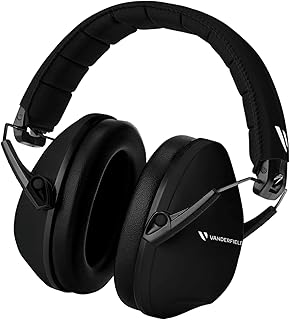
Certified 27 dB SNR kids’ earmuffs cut loud sounds up to 35 dB, with padded, adjustable fit—perfect for sensory-sensitive kids. Learn more.
$8.99 on Amazon
View on AmazonPrice and availability are accurate as of 01/28/2026 09:02 pm GMT and are subject to change.
For younger listeners and sensory-sensitive kids, the Vanderfields model checks all the right boxes. The fit is purpose-built for smaller heads, the padding is soft, and the attenuation targets the mid/high frequencies that often feel piercing at school assemblies, sporting events, parades, and fireworks. The result: fewer startle moments and more bandwidth for learning or having fun.
Parents appreciate the transparent ratings and the simple advice: if they feel tight, stretch them gently over a box for a few hours. If your child struggles in echoey cafeterias or during band practice, these earmuffs help create a calmer “bubble” without completely muting teachers and friends. For serious machinery or adult use, though, look at the higher-attenuation, adult-sized options in this guide.
5. ProCase 2‑Pack Ear Muffs (SNR 32) — Two reliable sets for home, work, and travel
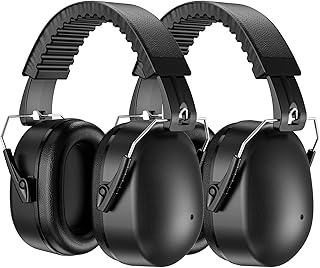
Snug, ANSI-certified SNR 32 ear muffs with thick cushions, adjustable fit and foldable design — great for travel, shooting, mowing, or sensory needs.
$17.59 on Amazon
View on AmazonPrice and availability are accurate as of 01/28/2026 12:44 am GMT and are subject to change.
If you’re always hunting for your one pair of muffs, the ProCase 2‑pack solves that instantly—keep one at home and one in your bag, or share with a partner or teen. With an SNR 32 rating and thickened ear cups, these strike a practical balance: more attenuation than light-duty models, but less mass than extreme-duty designs. The rotating cups and padded headband reduce hot spots for long sessions (think mowing, woodworking, or a day in a loud open office).
For tinnitus, the beauty of a two-pack is readiness. A set on your desk encourages you to slip them on when a meeting next door gets rowdy; the other lives in your car for school pick-ups, sports, or last-minute flights. The snug feel is by design for better sealing—stretch them gently on a box overnight if needed.
FAQ
- Do “noise-cancelling” headphones cure tinnitus?
No. Headphones—whether passive earmuffs or active noise-cancelling models—don’t cure tinnitus. They help manage triggers by reducing external noise and, when desired, enabling low-level sound enrichment. If your tinnitus is new, changing, or one-sided, see an audiologist or physician.
- What’s the difference between SNR and NRR?
Both are standardized lab ratings for noise reduction. SNR (common in the EU) tends to be higher numerically than NRR (common in the US). Real-world attenuation is lower than either printed value and depends on fit, seal, and correct wear. Use the ratings to compare products, not to predict exact decibel reduction in daily life.
- Should I wear hearing protection all day?
In loud settings, yes. In quiet places, constant heavy isolation can increase awareness of tinnitus for some people. A balanced approach works best: use protection when exposure is high or unpredictable; in quiet, consider gentle ambient sound (fan, sound machine) to avoid “silence pressure.”
- Can I wear earbuds under earmuffs for masking?
Technically, yes—with caution. Keep volumes low to avoid defeating the protection, and ensure the earbuds don’t break the earmuff seal. Avoid this setup in environments where you need situational awareness or where safety rules prohibit it.
- What ratings should I choose for different scenarios?
- Flights and commuting: SNR ~27–32
- Concerts/sports/fireworks: SNR ~27–32 (go higher if you’re close to speakers)
- Yardwork and power tools: SNR ~30+
- Construction/shooting: Highest available; follow all safety guidance and local regulations
The Sound of Sanity: Quick Picks for Your Situation
- Need maximum hush for power tools or stadium blowouts? Choose the ProCase Extra‑Large (SNR 37/NRR 30) for the deepest calm and the most protection when it counts.
- Want everyday tinnitus relief for travel, school, and errands—with a lighter touch? The EM100 3‑Pack is a family MVP, while the single Dr.meter EM100 is the portable, budget-friendly go-to.
- Shopping for kids who are sensory-sensitive? The Vanderfields kids’ earmuffs bring a child-first fit and frequency-tuned attenuation that helps them participate without overwhelm.
- Prefer to set-and-forget in multiple places? The ProCase 2‑Pack covers home and away with SNR 32 protection and comfort features you won’t fight.
Final thought: Whether your tinnitus is a faint hiss or a stubborn ring, the goal is the same—lower the noise burden so your brain can relax. Passive over-ear headsets do that reliably, without batteries or apps. Pair them with smart habits (safe sound levels, breaks, and gentle sound enrichment), and you’ll stack the odds in favor of calmer days and quieter nights. If questions persist, partner with an audiologist—they can tailor strategies to your hearing profile and your life.







Leave a Comment