

The Best Compression Socks for Nurses on Your Feet All Day (Knee‑High Support That Survives a 12-Hour Shift)
You clock in, lace up your clogs, and the floor doesn’t slow down—neither should your legs. The right compression socks can steady your circulation, tame swelling, and keep your calves and arches feeling supported long after midnight meds. Below, you’ll find a focused roundup of knee‑high support stockings that work with scrubs, handle constant washing, and don’t fight you when it’s time to pull them on.
Why Compression Matters on Shift Floors
Long hours upright push fluid toward your ankles. Graduated compression socks gently squeeze more at the ankle and less toward the calf, helping your veins move blood back to the heart. For nurses and techs, that can translate to:
- Less end‑of‑shift swelling and “heavy leg” fatigue
- A steadier calf/arch feel during long standing periods
- Better recovery between shifts
Compression isn’t a cure-all, but the right pair can be a meaningful comfort strategy—especially if your unit keeps you charting, lifting, and hustling nonstop.
Choosing the Right Compression Level and Fit
Think in mmHg (millimeters of mercury), which describes pressure:
- 12–14 mmHg: Light support. Easiest on/off; good for mild fatigue and prevention.
- 15–20 mmHg: Mild–moderate everyday compression. Great “first compression” for long shifts, travel, and standing work.
- 20–30 mmHg: Firm medical compression. Common for noticeable swelling, varicose symptoms, or heavier-duty support.
- 30–40 mmHg: Extra-firm clinical compression. Typically used under clinician guidance for specific conditions.
Fit is critical. Measure your calf circumference and use the brand chart—ideally first thing in the morning before swelling. Knee‑highs should land two finger-widths below the knee crease. If you’re between sizes, follow the calf measurement before shoe size.
Fabrics and Features Nurses Actually Feel
On hospital floors, material matters as much as compression:
- Moisture-wicking yarns: Keep your feet drier in clogs or sneakers.
- Graduated knit quality: Smooth, even squeeze without hot spots.
- Seamless or flat toe boxes: Reduce friction over long walks.
- Reinforced heel/toe and good elasticity: Survive repeated washes without sagging.
- Stay-up tech: Ribbing or silicone bands that won’t roll or pinch.
- Open vs. closed toe: Open toes work with wider toe boxes or sensitive toes; closed toes feel cozier and more discreet.
How We Selected
We ranked these socks using criteria nurses care about most:
- All‑day comfort and calf/arch support across 10–14 hour shifts
- Moisture management and breathability inside clogs/athletic shoes
- Durability after repeated machine washing
- Ease of getting on and off, especially during quick pre‑shift routines
- True‑to‑spec graduated compression and stay‑up reliability
- Discreet style options compatible with scrubs and dress codes
- Sizing range and inclusivity
Below are your best options, each matched to a real‑world nursing need—from mild daily relief to clinical‑grade compression.
1. Sockwell Women’s On the Spot Moderate Graduated Compression Socks — Best Overall Comfort for 12-Hour Shifts

Price and availability are accurate as of 12/18/2025 07:36 pm GMT and are subject to change.
Sockwell nails the sweet spot for nurses who want real relief without wrestling their socks on at 5:30 a.m. The moderate graduated compression offers a steady hug at the ankle that tapers smoothly up the calf, so your legs feel supported without pressure points. A soft, moisture‑managing knit helps keep feet drier in clogs, and the fabric retains elasticity after repeated laundering—key for maintaining that “new sock” feel.
The design is discreet under scrubs, and while the “On the Spot” pattern adds personality, neutral colorways fit conservative dress codes. If you’re battling pronounced edema, you might prefer a firmer 20–30 mmHg option. But for daily prevention, comfort, and long‑shift stamina, this is an easy, reliable grab.
2. Tekubig 20–30 mmHg Knee-High Graduated Compression Socks — Best Value for Firm, Medical-Grade Support

Price and availability are accurate as of 12/18/2025 07:36 pm GMT and are subject to change.
When you need more than mild support—say, visible ankle swelling by lunch or achy varicose symptoms—Tekubig’s 20–30 mmHg brings a more decisive squeeze. The unisex design gives plenty of size coverage, and the knee‑high cut sits securely without digging. Despite the stronger compression, the knit has enough give that most clinicians can don them without special aids.
Expect a touch more warmth than lighter socks and a less cushioned foot feel than luxury options. In return, you get reliable, firm support that helps legs feel steadier from pre‑rounds to charting to the final med pass—without loud branding or patterns.
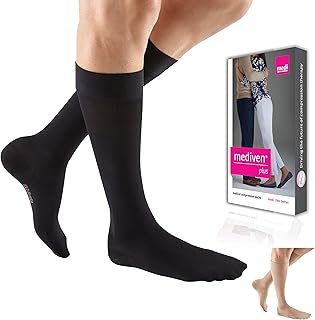
3. mediven Plus 30–40 mmHg Knee-High Open-Toe with Silicone Stay-Up Band — Best for Clinician-Directed High Compression
Price and availability are accurate as of 12/18/2025 07:37 pm GMT and are subject to change.
For nurses who’ve been advised to use higher compression—or for severe, persistent swelling—mediven Plus delivers one of the most consistent 30–40 mmHg knits you’ll find. The open-toe construction is a relief for sensitive or larger toes and fits well with clog-style shoes. The silicone top band grips securely without constant readjustment, even on brisk hallway sprints.
Know what you’re signing up for: extra‑firm socks are tougher to put on and off. Donning gloves and the “inside‑out to heel pocket” method make a difference. If you only need moderate support, go lighter. But if you’ve been directed to wear 30–40 mmHg, mediven’s durability and stay‑up reliability are worth it.
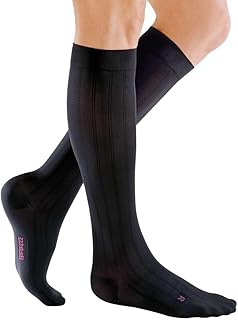
4. mediven for men Classic 30–40 mmHg Calf Closed-Toe Stockings, Tan — Best Discreet High-Compression Dress Style
Price and availability are accurate as of 12/18/2025 07:37 pm GMT and are subject to change.
If you need high compression but prefer a classic, office‑appropriate aesthetic, mediven for men Classic blends clinical performance with a conservative, ribbed profile. Under scrubs or dress pants, they read as standard knee‑highs—no flashy patterns or logos. The knit holds its firmness well, making them a dependable choice if you’re in 30–40 mmHg long term.
Expect the usual tradeoffs of extra‑firm compression: more effort to don and a bit less breathability than athletic knits. For male clinicians who want serious support without drawing attention, this is a smart, discreet option.
5. Nurse Mates Women’s Calf Compression Socks — 12–14 mmHg Light Support and Easy On/Off

Price and availability are accurate as of 12/18/2025 07:37 pm GMT and are subject to change.
If you’re compression‑curious or primarily want a gentle hug to reduce end‑of‑day heaviness, Nurse Mates’ 12–14 mmHg is an approachable place to start. They’re easy to glide on during pre‑shift, feel airy inside clogs, and come in work‑friendly solids along with more playful prints.
The tradeoff for that effortless comfort is lighter support. For nurses with visible swelling or varicose discomfort, step up to 15–20 or 20–30 mmHg. But for new grads, float pool days, or light preventative wear, these are simple, comfortable, and uniform‑friendly.
6. Rymora Graduated Compression Socks with Seamless Toe — Best Budget Everyday Pick with Friction-Free Toes

Price and availability are accurate as of 12/18/2025 07:37 pm GMT and are subject to change.
Rymora’s seamless toe is the star—especially if you’re sensitive across the forefoot or put in serious miles on large units. The graduated knit supports calves and arches with a steady squeeze that feels natural through turns, transports, and charting stints. With basic, scrub‑friendly colors, they don’t scream “sport sock.”
Expect a bit less longevity compared to top medical brands if you launder daily, and be mindful that compression feel can vary slightly across sizes. As an affordable rotation staple or a backup pair in your locker, they’re easy to recommend.
FAQ
- What compression level should I pick for nursing shifts?
- For most nurses: 15–20 mmHg is a safe, comfortable starting point that supports circulation during long standing periods.
- For noticeable swelling or varicose symptoms: 20–30 mmHg provides firmer, medical‑grade support many clinicians prefer.
- For 30–40 mmHg: typically use under clinician guidance for specific conditions.
- How do I make tight socks easier to put on?
- Measure and buy the right size first. In the morning, turn the sock inside‑out to the heel pocket, slip your foot in, then unroll up the calf. Use rubber‑textured donning gloves for better grip. Apply moisturizers after removal, not before.
- Can I wear compression socks my whole shift?
- Yes. Put them on before swelling develops (pre‑shift) and wear through your day. Most nurses remove them at home. Avoid sleeping in firm compression unless instructed by a clinician.
- How many pairs do I need?
- Aim for at least three to four pairs to rotate through the week. Rotating reduces wear, maintains elasticity, and gives each pair time to fully dry.
- How should I wash them so they last?
- Machine wash cold in a mesh bag, avoid fabric softener (it breaks down elastic), and line dry or tumble dry low. Proper care preserves compression and prevents sagging.
Shift-Ready Wrap-Up: Match the Sock to Your Day
Your legs work as hard as your hands. The key is pairing compression to your needs and routine.
- Want the easiest all‑day winner? Choose Sockwell Women’s On the Spot for soft, breathable comfort that truly lasts a 12‑hour shift.
- Need firmer, medical‑grade support without breaking stride? Tekubig 20–30 mmHg is the value pick for swelling control and stability.
- Working under higher‑compression guidance? mediven Plus 30–40 mmHg (open toe) is reliable and secure; mediven for men Classic 30–40 mmHg keeps it discreet in a dress‑sock look.
- Prefer light compression that’s quick to don? Nurse Mates 12–14 mmHg brings gentle relief and breathable comfort.
- Stocking a dependable budget rotation? Rymora’s seamless‑toe design reduces friction and blends in with scrubs.
Whichever route you take, prioritize fit (measure in the morning), fabric that breathes inside your footwear, and a compression level that matches your legs—not just the label. Your calves, ankles, and arches will thank you on that last hallway lap.





Leave a Comment