


The 7 Best Bottles for Gas and Reflux (Plus Smart Add‑Ons) to Calm a Gassy Newborn
It’s 2 a.m. Your baby’s tummy sounds like a tiny espresso machine, and every burp turns into a cry. When gas or reflux is at play, the “right” bottle can make the difference between a long night and a better one. Anti‑colic bottles don’t cure colic, but smart venting and a nipple that supports a deep, consistent latch can dramatically cut air intake—and that often means fewer bubbles, less spit‑up, and calmer feeds.
Below, you’ll find a fast, parent‑friendly guide to anti‑colic and reflux‑friendly bottles, how the different venting systems work, and how to pick the right flow rate. Then we review seven strong picks (including two clever accessories) to help you get relief quickly.
Why anti‑colic bottles matter for gas and reflux
Gas, spit‑up, and reflux are common in the first months. Newborns are still coordinating breath‑suck‑swallow, and when the latch or flow isn’t quite right, they swallow air. That air builds pressure and discomfort. Anti‑colic bottles focus on two targets: reducing the bubbles your baby ingests and keeping the nipple flow steady so feeding rhythms stay calm.
Some babies also get frustrated by fast, free‑flowing nipples that drip even when they’re not actively sucking. That can lead to gulping, coughing, or more spit‑up. Bottles that only release milk when baby drinks—or that keep pressure equalized inside the bottle—help slow things down without starving a hungry newborn.
Parents feel the difference, too. When air intake drops, burping gets easier, feeds are shorter, and the post‑feed settle can be smoother. You’re not chasing the perfect burp for 40 minutes—huge when you’re sleep‑deprived.
How anti‑colic designs actually work (and what to expect)
Not all “anti‑colic” tech is the same:
- Internal vent systems (like Dr. Brown’s) route air away from the milk through a straw‑like vent. That keeps a vacuum from forming and prevents bubble mixing. It’s one of the most aggressive approaches for gas reduction, though there are extra parts to wash.
- Base‑vented bottles (like MAM Easy Start) vent at the bottom. As baby sucks, air enters at the base rather than through the nipple, limiting bubbles and helping maintain steady flow. Assembly is key for leak‑free use.
- Nipple‑vented systems (like Philips Avent Natural with its integrated valve and “Natural Response” nipple) release milk only when baby actively sucks, mimicking breastfeeding and reducing passive drips that can trigger gulping.
Nipple shape matters, too. Wide, breast‑shaped nipples can support a deep, flanged latch for combo‑fed babies, while narrow nipples may be easier for tiny mouths. The “best” is the one your baby seals well without lip clicking or dimpling.
Cleaning is the trade‑off. More vent parts usually means better pressure control but more to wash. If you’re pumping and washing multiple times a day, features like self‑sterilizing designs (MAM) or fewer pieces (Avent) can save time.
Flow rate 101: choosing the right nipple for your baby
Flow is as important as the bottle. Too fast and baby gulps air; too slow and they work overtime and swallow air from fatigue.
- Preemie/Extra‑Slow: for very young or preterm babies who struggle with coordination.
- Level 1 Slow Flow: typical for newborns; good starting point for most anti‑colic systems.
- Level 2–3 (Medium to Fast): often used around 3–6 months or for thicker formulas—if baby shows clear signs of frustration on slow flow.
Watch your baby’s cues:
- Flow is too fast if you see coughing, choking, milk spilling from the corners of the mouth, or feeds that end in under 10 minutes with lots of spit‑up.
- Flow is too slow if baby sucks hard, falls asleep from effort, takes very long feeds, or collapses the nipple constantly.
Paced bottle feeding—keeping baby more upright and the bottle more horizontal—can make nearly any anti‑colic bottle work better for reflux‑prone infants.
How we chose the best bottles for gas and reflux
- Proven venting tech that actively minimizes air ingestion
- Nipple shapes that support an easy latch and stable seal
- Flow options for newborns and sensitive feeders
- Real‑world usability: assembly, cleaning, and leak resistance
- Materials and safety: BPA‑free, durable, compatible with sterilizers
- Size and system flexibility (caps, spouts, bundles for long‑term use)
- Consistency: reliable, drip‑controlled flow to avoid gulping
- Parent practicality: packability, mixing, and on‑the‑go accessories
1. Dr. Brown’s Natural Flow Anti‑Colic Narrow 8 oz Baby Bottles, Level 1 Slow Flow (2‑Pack, Frog & Pig) — Best classic anti‑colic bottle for gassy newborns
Price and availability are accurate as of 12/18/2025 05:02 pm GMT and are subject to change.
Dr. Brown’s is the anti‑colic classic for a reason. Its internal vent equalizes pressure and keeps air out of the milk, which can translate to fewer burps and less spit‑up. The Level 1 slow‑flow nipple is a smart starting point for newborns and babies who gulp easily—especially when you’re trying to settle reflux.
Because the vent has multiple pieces, you’ll want a bottle brush and a routine for assembly. If your baby is struggling with gas, though, that extra step often pays off in calmer feeds and better post‑feed comfort. The narrow shape is also easy to hold during pace feeding.
2. MAM Easy Start 9oz Anti‑Colic Bottle with Bonus Fast‑Flow Nipple — Best base‑vented bottle that self‑sterilizes

Price and availability are accurate as of 12/18/2025 05:02 pm GMT and are subject to change.
MAM’s Easy Start vents from the bottom, pulling air away from the milk as your baby drinks. That can reduce gas while keeping flow stable, and the microwave self‑sterilizing trick is a lifesaver when you’re washing parts at midnight. Many babies who switch between breast and bottle take to MAM’s soft, textured nipple.
If your little one is under three months, start on a slower nipple (even if the box includes a fast one) and keep feeds upright. Assemble the base carefully for a reliable seal—you’ll be rewarded with less trapped air and fewer mid‑feed interruptions.
3. Philips Avent Natural Baby Bottles 9 oz — Natural Response Nipples (Medium Flow) 4‑Pack — Best wide, breast‑shaped nipple for controlled, on‑demand flow
Price and availability are accurate as of 12/18/2025 05:02 pm GMT and are subject to change.
Avent’s Natural Response nipple answers a big reflux complaint: passive dripping. Milk flows when your baby sucks and pauses when they pause, reducing the gulp‑drip‑cough cycle that can lead to air intake. The wide, breast‑like shape can help babies achieve a deep latch, which is key to reducing gas.
Compared to internal‑vent systems, Avent is simpler to clean with fewer pieces. For sensitive feeders under three months, consider swapping to a slower Avent nipple to keep pace controlled. If your baby dislikes narrow nipples, this is an excellent wide option that still prioritizes comfort and flow control.
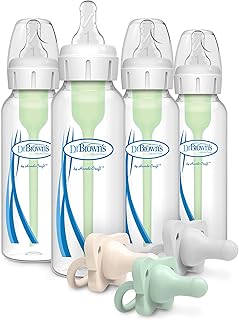
4. Dr. Brown’s Options+ Anti‑Colic 8oz Narrow Bottles (4) with HappyPaci 100% Silicone Pacifiers 0–6M (3‑Pack) — Best bundle for soothing both feeding and fussiness

Price and availability are accurate as of 12/23/2025 03:03 am GMT and are subject to change.
If your baby struggles with gas and needs extra calming between feeds, this bundle covers the two biggest soothing moments: feeding and settling. You get multiple Dr. Brown’s narrow bottles with the Options+ vent—a strong pick for reflux—and three HappyPaci silicone pacifiers designed to feel familiar in the mouth.
The flexibility is nice: keep the vent in for newborn anti‑colic performance, then remove it later if your baby no longer needs it. Expect the usual trade‑off of a better vent system with more parts to clean, but the bundle convenience is compelling for early months.
5. Dr. Brown’s Natural Flow Anti‑Colic Bottle‑to‑Sippy Gift Set with Soft Silicone Spout — Best long‑term system for sensitive tummies

Price and availability are accurate as of 12/18/2025 05:03 pm GMT and are subject to change.
Some babies with reflux do best when changes are minimal. This set lets you keep the same bottle body and move from a slow‑flow anti‑colic nipple to a soft sippy spout later, so your baby’s mouth mechanics and grip don’t have to change overnight. That continuity can reduce frustration and accidental air intake during transitions.
If you’re starting from scratch and want fewer shopping decisions at 3 a.m., the bottle‑to‑sippy path is a smart way to plan ahead. Just monitor flow during the sippy stage and choose paced, upright sipping to maintain that anti‑gulp rhythm.
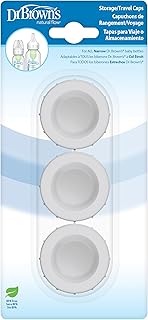
6. Dr. Brown’s Narrow Travel/Storage Caps for Options+ Anti‑Colic Bottles (3‑Pack) — Best leak‑proof accessory for on‑the‑go, gas‑friendly feeding

Price and availability are accurate as of 12/23/2025 03:03 am GMT and are subject to change.
These simple caps solve a real pain point with anti‑colic systems: leaking and wet vents when you’re out. Prep formula or breast milk at home, cap it, and toss it in your bag. When it’s time to feed, swap to the vented nipple assembly and keep your anti‑colic setup working as intended. If you’re using Dr. Brown’s narrow bottles, these caps are a low‑cost upgrade to your routine.
They won’t replace a vented nipple, but they make it easier to feed gas‑conscious on the go—without mixing, dripping, or accidental air bubbles from a soaked vent.
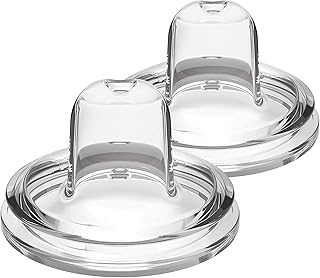
7. Dr. Brown’s Options+ Wide‑Neck Sippy Spouts 2‑Pack — 6m+ — Best for extending wide‑neck anti‑colic bottles beyond infancy
Price and availability are accurate as of 12/18/2025 05:03 pm GMT and are subject to change.
For babies who started on wide‑neck bottles and still have sensitive tummies at 6–12 months, keeping the same base can smooth the path to sippy drinking. These soft spouts encourage a gentle, more controlled sip—useful for toddlers who cough or gulp on hard, free‑flow spouts.
They won’t replace an anti‑colic vent for newborn feeds, but if your goal is to avoid big changes that can lead to air‑heavy gulping, this is a practical add‑on. Pair with paced, upright sipping for best results.
FAQ
- What’s the best bottle for a gassy newborn?
- Start with an aggressive anti‑colic system and slow flow. Dr. Brown’s narrow with the internal vent and a Level 1 nipple is a strong first try. If your baby refuses narrow nipples, Philips Avent Natural with a slower nipple is a good wide alternative, or MAM Easy Start for base venting.
- How do I know if the nipple is too fast or too slow?
- Too fast: coughing, sputtering, milk leaking from the corners of the mouth, or very short feeds with more spit‑up. Too slow: long feeds with hard sucking, frequent nipple collapse, dozing off from effort. Adjust one level at a time.
- Are anti‑colic bottles harder to clean?
- Internal vents add parts to wash, but many parents find the trade‑off worth it for less gas. Use a bottle brush and vent brush, and consider systems like MAM that self‑sterilize if you want to save time.
- Do I need a wide or narrow nipple?
- Choose the one your baby seals best. Wide, breast‑shaped nipples can help combo‑fed babies achieve a deep latch. Narrow nipples can be easier for tiny mouths and can reduce clicking if baby struggles to flange lips on a wide base.
- Can bottles cure reflux?
- Bottles don’t treat reflux, but they can reduce triggers like air swallowing and fast, drippy flow. Pair a well‑vented, slow‑flow bottle with paced, upright feeding and frequent burping. For persistent or severe symptoms, consult your pediatrician.
Your Fast Path to Calmer Feeds (and a Better Night)
If you’re bleary‑eyed and need a quick answer:
- For maximum anti‑colic performance: Dr. Brown’s Natural Flow Narrow with Level 1 slow flow.
- Prefer fewer parts and wide latch: Philips Avent Natural with a slower Natural Response nipple.
- Want easy sterilizing and base venting: MAM Easy Start.
- Building a full setup: Dr. Brown’s Options+ bundle with HappyPaci pacifiers.
- Planning ahead: Dr. Brown’s Bottle‑to‑Sippy Gift Set for continuity through toddlerhood.
- On‑the‑go must‑have: Dr. Brown’s Narrow Travel/Storage Caps.
- Extending wide‑neck bottles past 6 months: Dr. Brown’s Wide‑Neck Sippy Spouts.
Every baby is different. Start with slow flow, watch your baby’s cues, and stick with what yields calmer burps and fewer mid‑feed pauses. The right bottle won’t fix every cry—but it can remove a big barrier between you and some much‑needed sleep.








Leave a Comment